
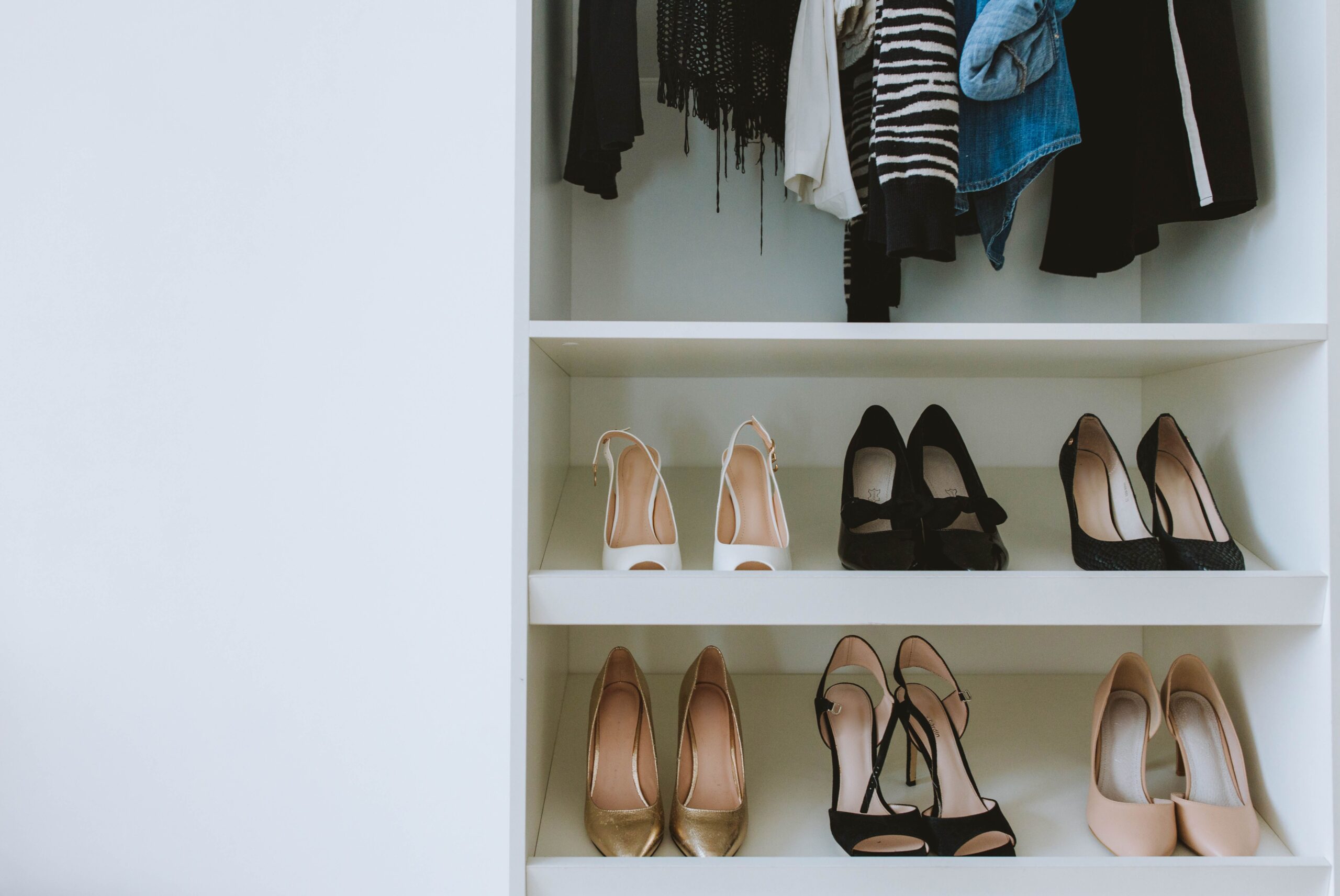
Building a stylish wardrobe does not require a large income, a designer label, or a closet overflowing with clothes. The secret is to shop with intention, understand what you actually wear, and choose pieces that work together in several different ways. A smaller, carefully planned wardrobe can make getting dressed easier while saving money and reducing waste.
Start With a Wardrobe Audit
Before buying anything new, take everything out of your closet and review it honestly. Separate your clothing into four groups: pieces you wear often, items that need repair, clothing you rarely wear, and things that no longer fit your lifestyle or body. This simple process can reveal that you already own more useful clothing than you thought.
Pay attention to patterns. Do you reach for neutral colors, relaxed shapes, or polished basics? Do you spend most of your time at work, at home, outdoors, or attending social events? Your wardrobe should reflect your real daily routine rather than an imaginary version of your life. If you rarely attend formal events, there is no reason to spend a large portion of your budget on occasion wear.
Choose Versatile Essentials
Versatile essentials form the foundation of a budget-friendly wardrobe. Look for clothing that can be dressed up or down and worn across different seasons. Useful examples include a well-fitting pair of jeans, tailored trousers, a plain T-shirt, a simple knit sweater, a button-down shirt, a comfortable jacket, and shoes suitable for multiple occasions.
Focus on fit and fabric before brand names. A modestly priced garment that fits well will usually look more polished than an expensive item that pulls, hangs awkwardly, or needs constant adjustment. When trying something on, sit down, walk around, and check whether the material feels comfortable. If you would not want to wear it for several hours, leave it in the store.
Build a Practical Color Palette
A coordinated color palette makes a small wardrobe feel much larger. Start with two or three base colors, such as black, navy, gray, brown, cream, or denim. Then add one or two accent colors that suit your personality. This does not mean every item must be plain. Patterns and brighter shades are welcome, but they should work with several pieces you already own.
For example, a cream sweater might work with jeans, dark trousers, a printed skirt, or layered over a dress. A navy jacket can complement casual denim as easily as it can complete an office outfit. Before buying anything, try to imagine at least three complete outfits using items already in your closet.
Use a Cost-Per-Wear Mindset
The cheapest item is not always the best value. A low-cost shirt worn once is more expensive per wear than a slightly pricier shirt worn every week for two years. Consider how often you expect to wear an item, how easy it will be to maintain, and whether it works with the rest of your wardrobe.
This approach is especially useful for coats, shoes, bags, and other frequently used pieces. Spend more carefully on items that receive heavy use, but set a clear limit before shopping. A budget is most effective when it is decided in advance rather than in the fitting room.
Shop Slowly and Avoid Impulse Purchases
Impulse shopping often happens when an item looks exciting in isolation. Create a waiting rule for nonessential purchases: wait 24 hours for smaller items and several days for more expensive ones. During that time, ask yourself whether you need the piece, whether it fits your personal style, and whether you can create multiple outfits with it.
It also helps to keep a shopping list. Write down genuine gaps, such as a pair of comfortable black shoes or a lightweight jacket for spring. A list gives you direction and makes it easier to ignore tempting discounts that do not solve a real wardrobe problem. Remember that a sale is not a saving if you would not have purchased the item at full price.
Make Secondhand and Alterations Part of the Plan
Thrift stores, resale websites, clothing swaps, and consignment shops can provide excellent value, especially for jackets, knitwear, bags, and distinctive accessories. Shop with patience and inspect each item carefully for stains, damaged seams, missing buttons, and signs of excessive wear.
Small alterations can also transform an inexpensive garment. Shortening trousers, replacing buttons, adjusting a waistband, or changing a hem may cost less than replacing the item. Learning basic repairs at home can extend the life of your clothes even further.
Create More Outfits With Accessories
Accessories are one of the most affordable ways to change the feeling of an outfit. A belt can define the shape of a loose dress, while a scarf, watch, simple jewelry, or structured bag can make basic clothing look more intentional. Shoes can also shift an outfit from casual to refined without requiring a complete change.
Finally, take a few minutes each season to photograph outfit combinations you enjoy. Save the images in a folder on your phone so you have ready-made ideas on busy mornings. A stylish wardrobe is not measured by the number of pieces it contains. It is measured by how confidently and creatively you can use what you own.



I like the cost-per-wear idea, especially for shoes and jackets. It has helped me stop buying cheap items that need to be replaced every few months.
The wardrobe audit is such a useful suggestion. I recently donated several things I never wore and discovered that my remaining clothes are much easier to combine.
Creating a color palette made a huge difference for me. I still enjoy bright colors, but now I buy them as accents instead of random pieces.
The waiting rule works surprisingly well. Most of the items I wanted urgently no longer seemed important after a couple of days.
Great advice about alterations. Replacing buttons and adjusting hems has made several secondhand finds look much more expensive.